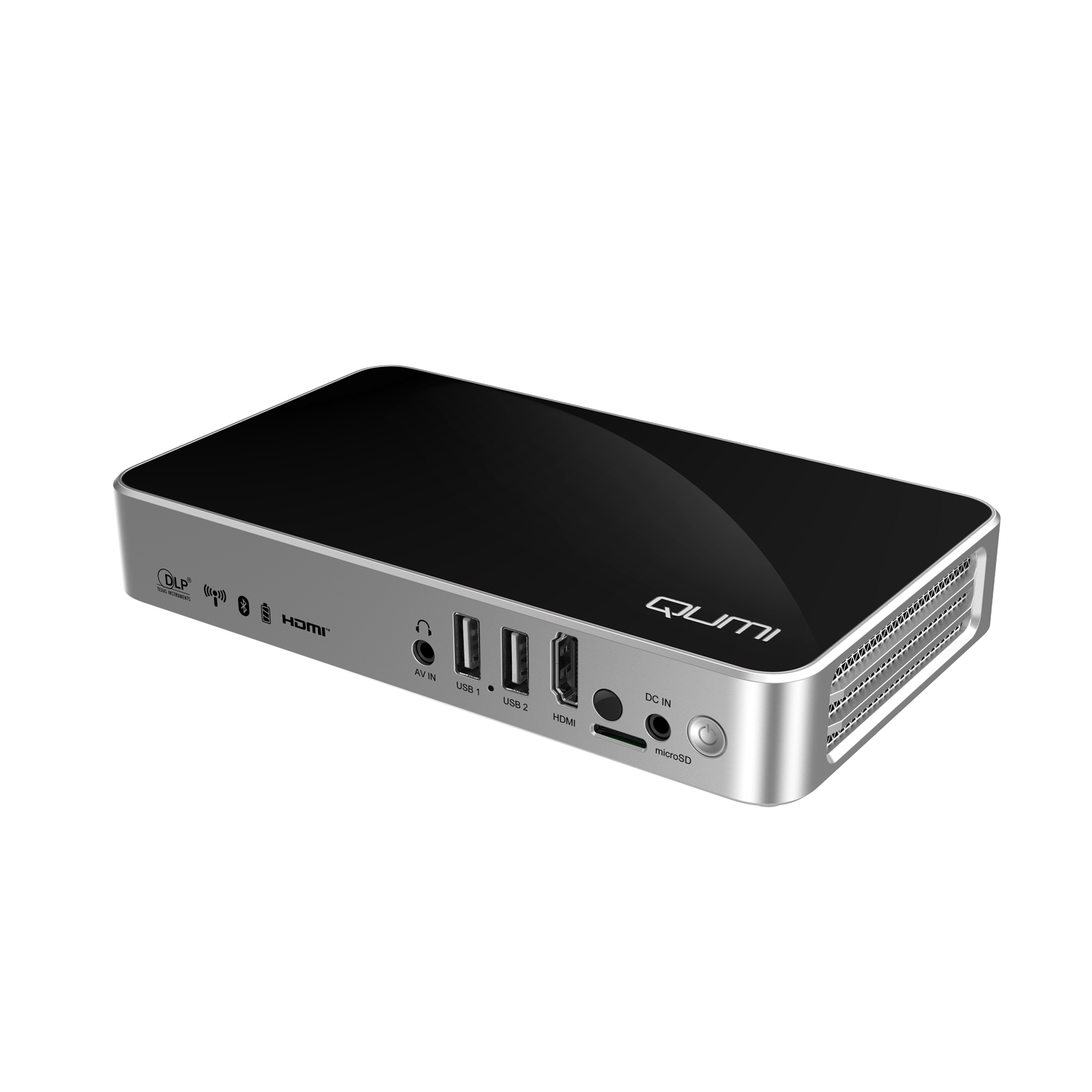
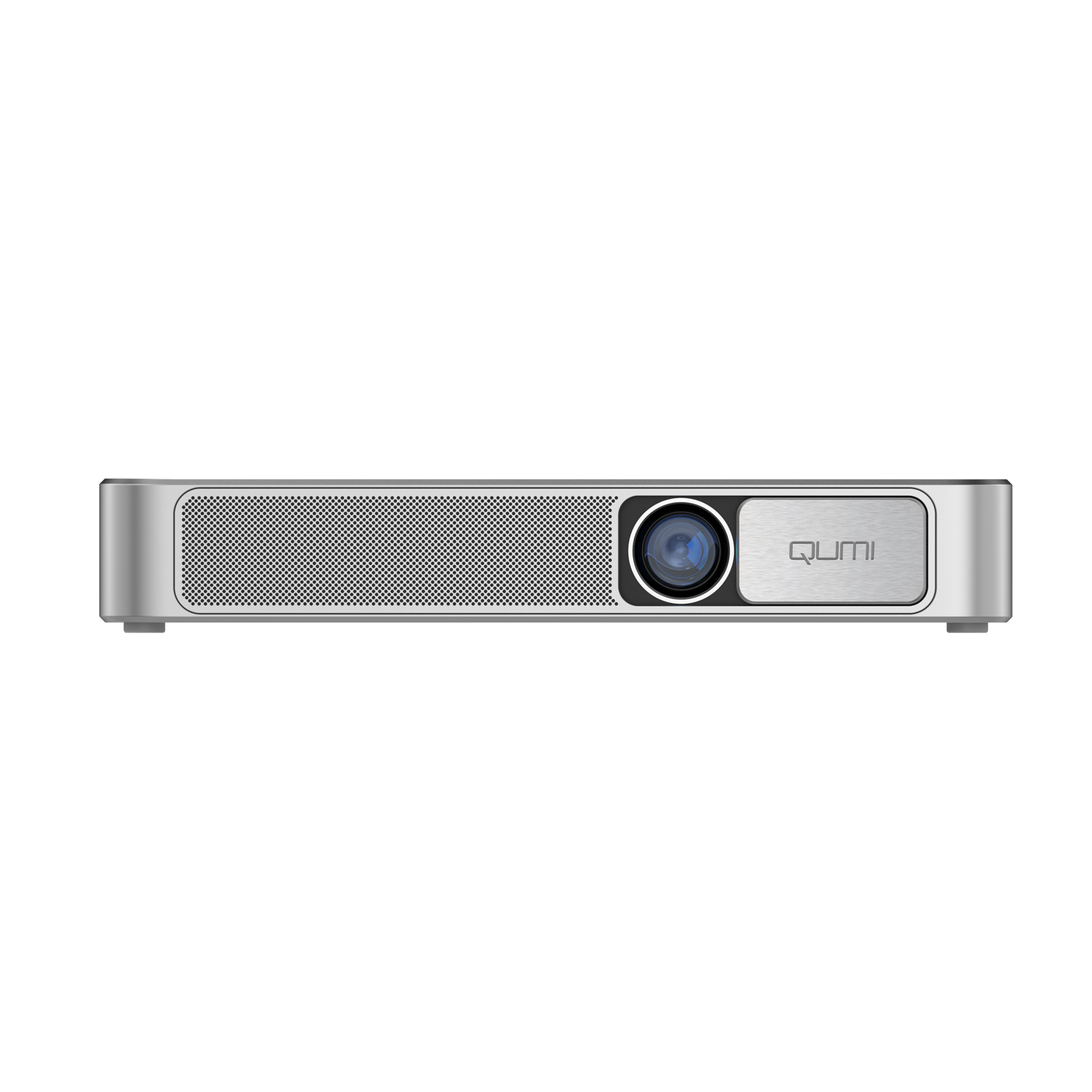
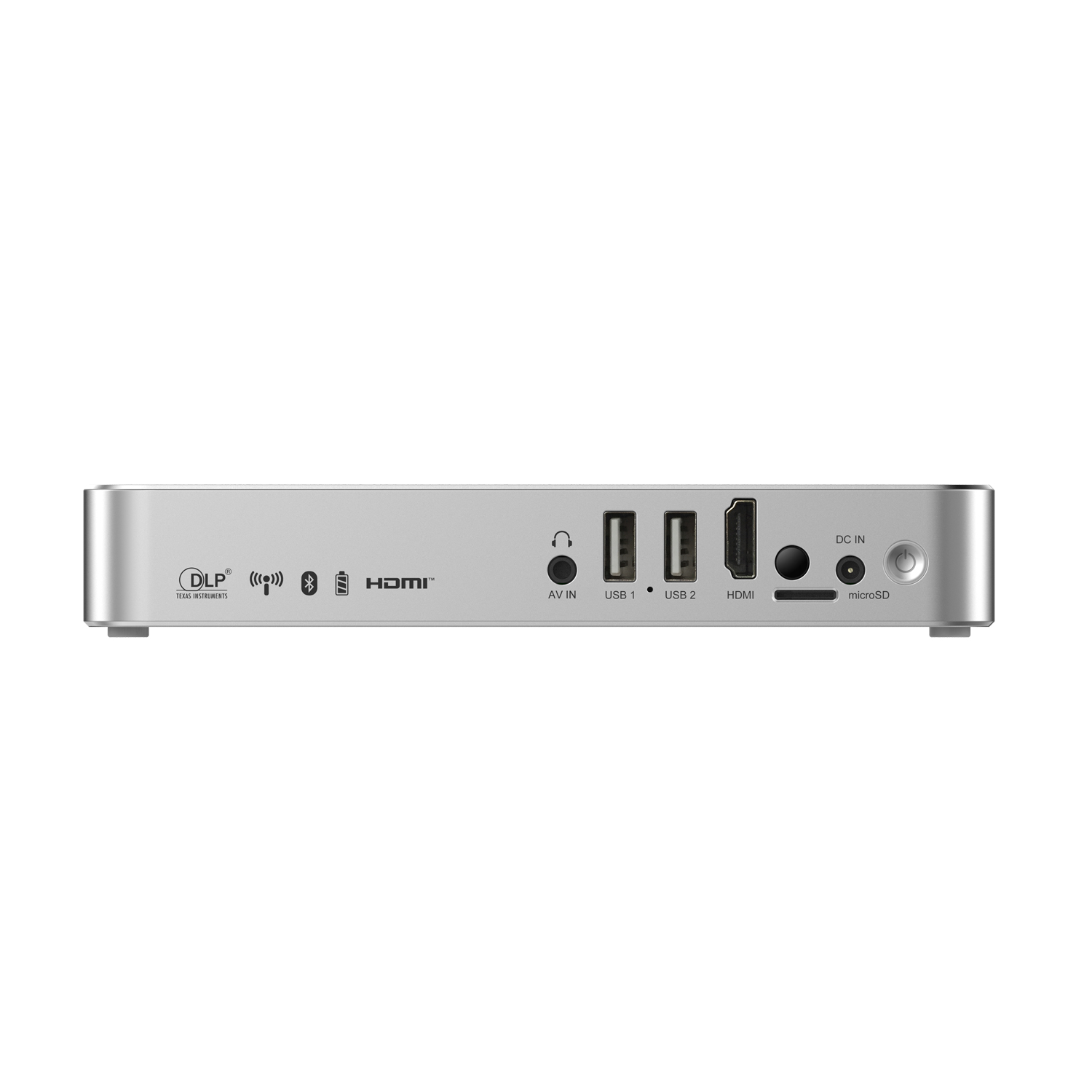
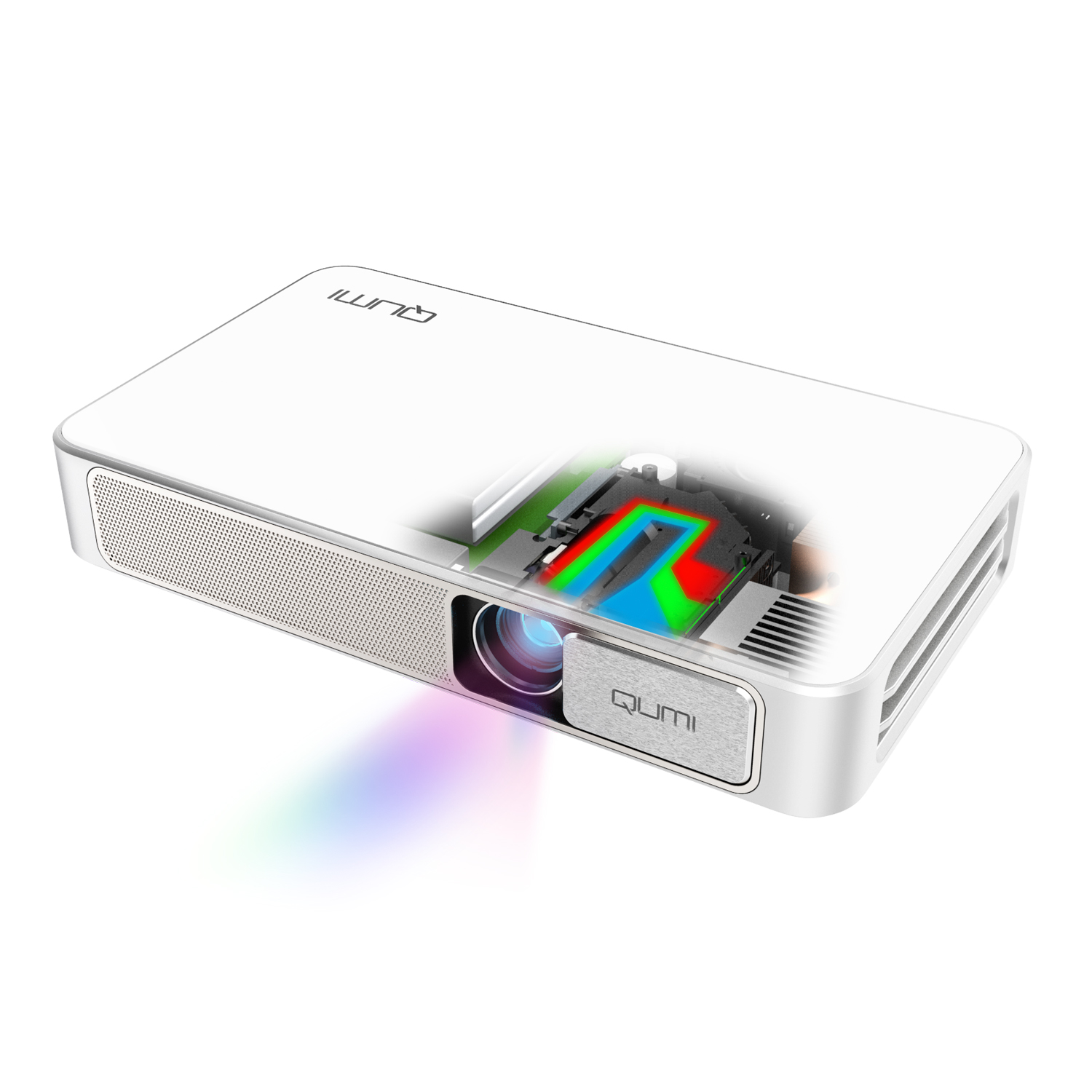
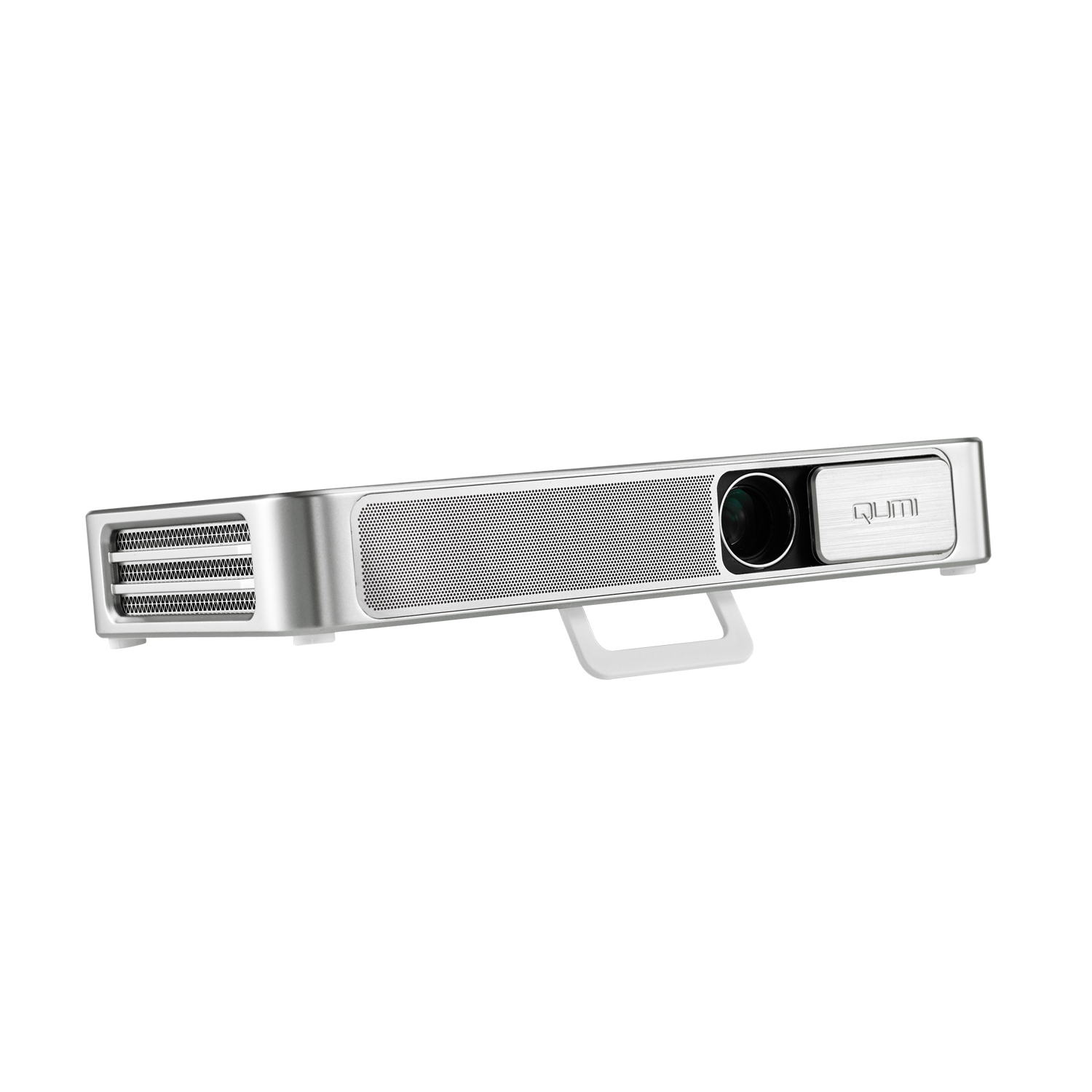
500 Lumens of Vivid Brightness.
720p HD Resolution for Superb Clarity.




















“Read page ninety-four,” he told a crying mother. She did. Her dead son walked through the library door.
Upon release, Fateful Findings became an overnight sensation in bad-movie circles. Cult film outlets and YouTube critics praised its earnestness. Unlike intentional parodies, Breen’s work is completely sincere. His genuine passion elevates the film from a poorly made project to an accidental piece of surrealist art.
Fateful Findings isn't just a bad movie; it's a window into a singular, unfiltered creative mind.
Dylan represents a fascinating study in cinematic ego. He spends vast portions of the film walking around his house shirtless, writing his "revolutionary" book (which appears to just be pages of random text), and lamenting the corruption of the world. Yet, Breen’s performance is entirely devoid of cynicism. He delivers lines with a deadpan, breathless earnestness that makes it impossible to look away. When Dylan proclaims, "I cannot believe you committed suicide. I cannot believe you committed suicide. How could you have done this to yourself?", the sheer lack of traditional inflection elevates the moment to avant-garde theater. The Climax: A Masterclass in Political Surrealism
: The film culminates in a Washington D.C. press conference where Dylan exposes global corruption, leading to a series of high-level officials taking their own lives on screen. II. Themes and Auteurist Vision Fateful Findings - 2013 - Neil Breen
If Fateful Findings resonates with you, expand your horizons with these related works:
An eccentric, alcoholic neighbor who is mysteriously murdered.
: After being hit by a car, Dylan’s powers activate, allowing him to rapidly heal and begin hacking into "the most secret national and international secrets" to expose global corruption. The Conflict
Unlike studio-sanctioned "bad" movies that deliberately chase a camp aesthetic, Fateful Findings is fueled by a genuine, unironic passion. It is the work of a man who had a vision and used every resource at his disposal to put that vision on screen, completely uncompromised by outside opinions or Hollywood focus groups. “Read page ninety-four,” he told a crying mother
Neil Breen was born on November 23, 1958. He grew up on the East Coast, studied architecture, and became a licensed architect in California before relocating to Las Vegas. By day, he practices architecture. In his spare time, he makes movies in which he portrays a messianic figure who exposes corruption and saves humanity. Fateful Findings was his third feature film, following Double Down (2005) and I Am Here…Now (2009). He has since made Pass Thru (2016), Twisted Pair (2018), and Cade: The Tortured Crossing (2023).
: After a near-fatal hit-and-run, Dylan recovers at a superhuman rate, an event he attributes to the stone.
Key plot beats (condensed):
Now possessing vague magical powers and unparalleled hacking skills, Dylan retreats to his office—a room inexplicably cluttered with old laptops and loose wires. He dedicates his life to exposing the deepest secrets of "the government and corporate corruption." Along the way, he navigates a tragic marital life with his pill-addicted wife, a bizarrely aggressive seduction attempt by a teenage neighbor, and sudden reunions with figures from his past. It all culminates in an explosive, unforgettable press conference on the steps of a government building, where Dylan forces the global elite to face their crimes. The Pillars of Breen: Themes and Motifs Upon release, Fateful Findings became an overnight sensation
Neil Breen films operate on a distinct visual language. Keep an eye out for these recurring motifs:
Fateful Findings (2012/2013) is his magnum opus, the film that truly solidified his cult legend. A micro-budget science fiction drama that defies all conventional narrative logic, it is a film where hacking involves yelling at laptops, where mystical rocks grant omniscience, and where the phrase "I can't believe you committed suicide" is delivered with the emotional weight of a grocery list. Upon its release, it was declared one of the worst films ever made, yet that very failure—so earnest, so spectacular, and so uniquely bizarre—transformed it into an essential monument for fans of outsider art.
In the landscape of modern cult cinema, certain films transcend the traditional boundaries of "bad movies" to become avant-garde masterpieces of accidental surrealism. While Tommy Wiseau’s The Room (2003) brought the midnight movie subculture into the 21st century, it was real estate agent turned independent auteur Neil Breen who weaponized the format. His 2013 magnum opus, Fateful Findings , stands as a monumental achievement in DIY outsider art. It is a film so fiercely original, structurally baffling, and unintentionally profound that it demands serious critical evaluation. The Genesis of a Modern Cult Classic
Here’s an interesting, discussion-ready post about , tailored for a film subreddit, Letterboxd, or social media:
While digging in his backyard, he discovers a magical green crystal that allows him to speak to the dead and hack into any computer system in the world by simply placing his hands on a keyboard and looking aggressive . He uses these powers to expose government corruption, pharmaceutical fraud, and corporate greed.