Tangled Japanese Dub Best Better Jun 2026
Other notable voice actors in the Japanese dub include:
Okonogi possesses a pure, Disney-princess-worthy voice that captures the emotional depth of songs like "When Will My Life Begin?" and "I See the Light."
If you want, I can help you find out where to stream it , how to access the Japanese audio track , or even compare more specific scenes between the two versions. Share public link
Nakagawa brings an unmatched, bubbling energy to the spoken dialogue. Her voice captures a specific type of hyper-expressive, theatrical optimism that fits a girl trapped in a tower for 18 years. When Rapunzel swings from her hair, panics about defying her mother, or gushes over lanterns, Nakagawa’s comedic timing and vocal range deliver an added layer of anime-adjacent charm that elevates the visual humor. Broadway-Caliber Vocals: Mariya Ise and Beyond tangled japanese dub best
The opening monologue by Flynn is delivered with a slightly more theatrical, storytelling flair in Japanese, playing into the classic trope of a charming rogue recounting his own legend.
When Disney's beloved animated film Tangled was released in 2010, it quickly became a global phenomenon, captivating audiences with its stunning animation, memorable characters, and catchy soundtrack. As the film's popularity spread across the globe, it was only a matter of time before it would be dubbed into various languages, including Japanese. The Tangled Japanese dub, in particular, stands out as a remarkable example of voice acting, cultural adaptation, and linguistic nuance.
Here is an in-depth look at why the . 1. Shoko Nakagawa: The Perfect Voice for Rapunzel Other notable voice actors in the Japanese dub
Shokotan brings an infectious sense of wonder and excitement to the dialogue. Her voice captures that "wide-eyed" enthusiasm for the world, making Rapunzel’s curiosity feel genuine and endearing.
When Disney’s Tangled (titled Rapunzel on the Tower or 『塔の上のラプンツェル』 in Japan) debuted, it faced the monumental task of living up to the brilliant vocal chemistry of Mandy Moore and Zachary Levi. While many localized dubs achieve baseline competence, the Japanese voice cast delivered a performance so distinctly magical that a passionate contingent of global Disney fans argue it rivals—and in some aspects, surpasses—the original English version.
This is the emotional peak of the film, and the Japanese version is breathtaking. The chemistry between the voice actors shines through the vocal harmony. The Japanese lyrics lean heavily into poetic imagery about finding one's place in the world and overcoming darkness. The blend of the orchestra with the soft, emotive Japanese vowels creates an incredibly romantic and ethereal atmosphere that many fans argue surpasses the original English version in pure emotional weight. Cultural Adaptations and Nuance When Rapunzel swings from her hair, panics about
Shoko Nakagawa, a beloved Japanese media personality, singer, and self-proclaimed otaku, voiced Rapunzel. Known affectionately as "Shokotan," her real-life bubbly, energetic, and fiercely independent personality perfectly mirrored Rapunzel’s character traits. Nakagawa brought an infectious, wide-eyed curiosity to the spoken dialogue, capturing the character’s manic shifts between optimization and anxiety during the "Best Day Ever" sequences. Flynn Rider / Eugene Fitzherbert (Hiroshi Hatano)
Flynn Rider (Eugene Fitzherbert) in the English version is known for his charismatic, witty charm. Japanese voice actor (also known as Hiroshi Hatanaka or Hiroshi Hatanaka) delivers a performance that is arguably even more charming.
Translated as "Shining Future," the lyrics are adapted to be more evocative and resonant with Japanese sensibilities. The duet is often considered more "magical" due to the high-frequency, emotional delivery typical of Japanese voice acting.

 В В В
В В В 
 В В
В В  Каталоги ресурсов Интернета по сну

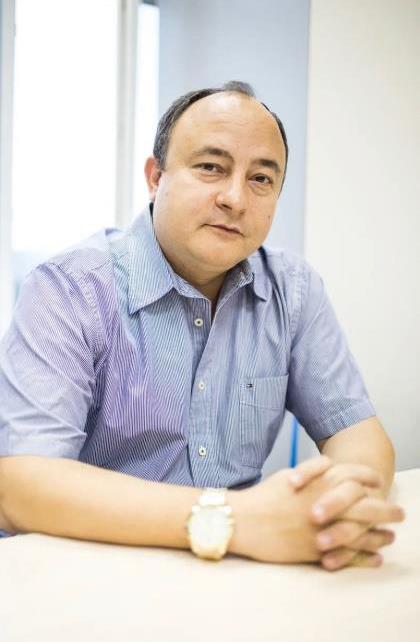
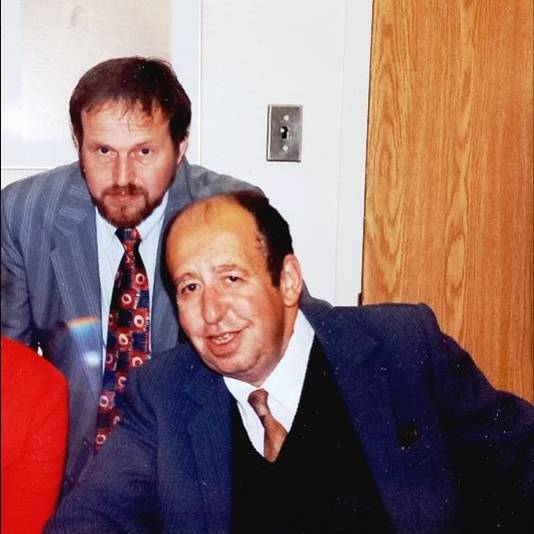
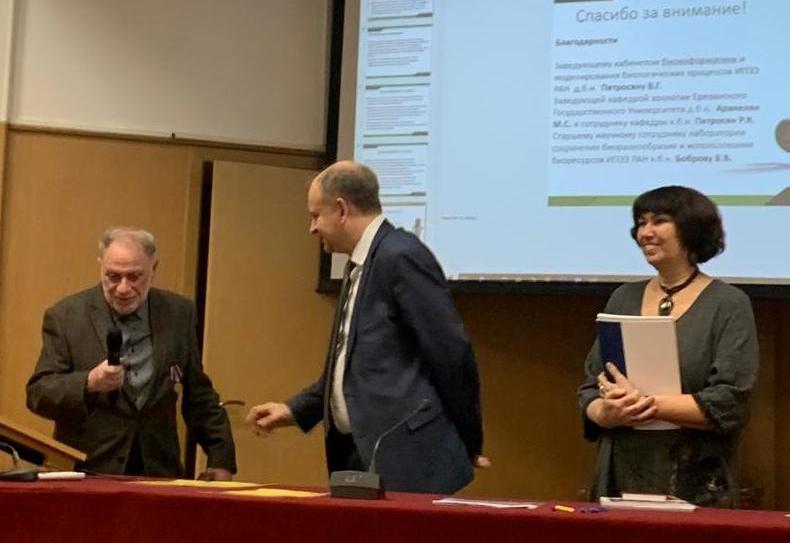

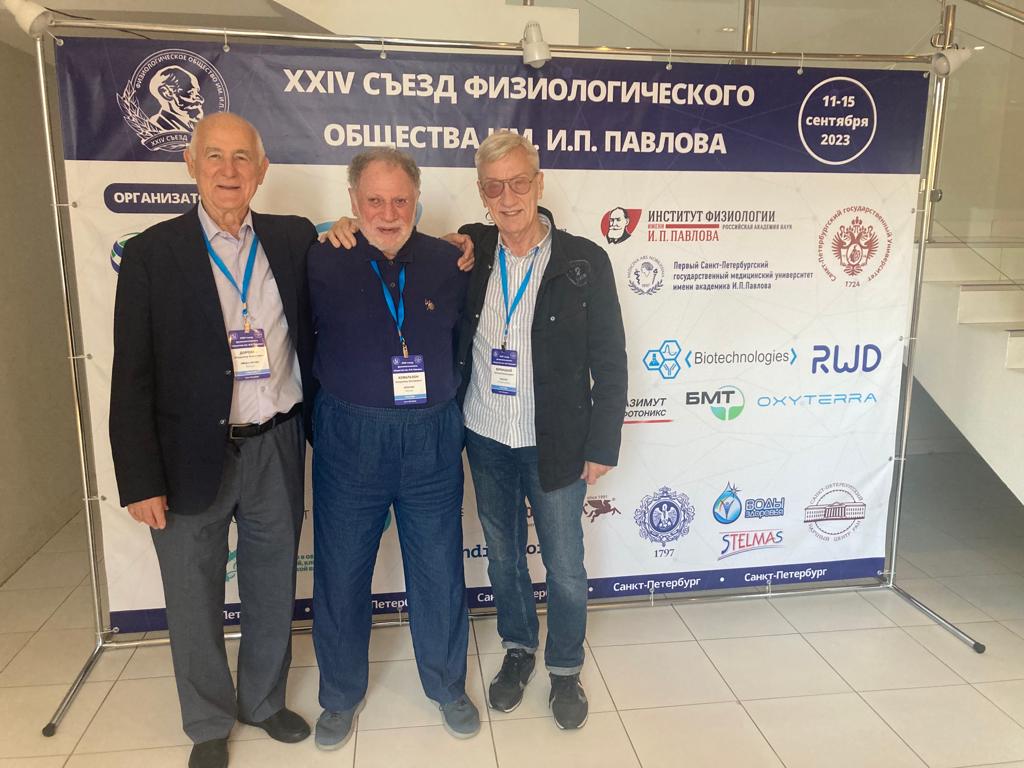
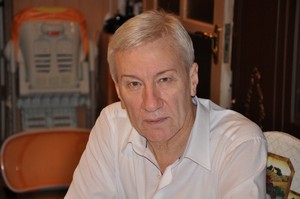
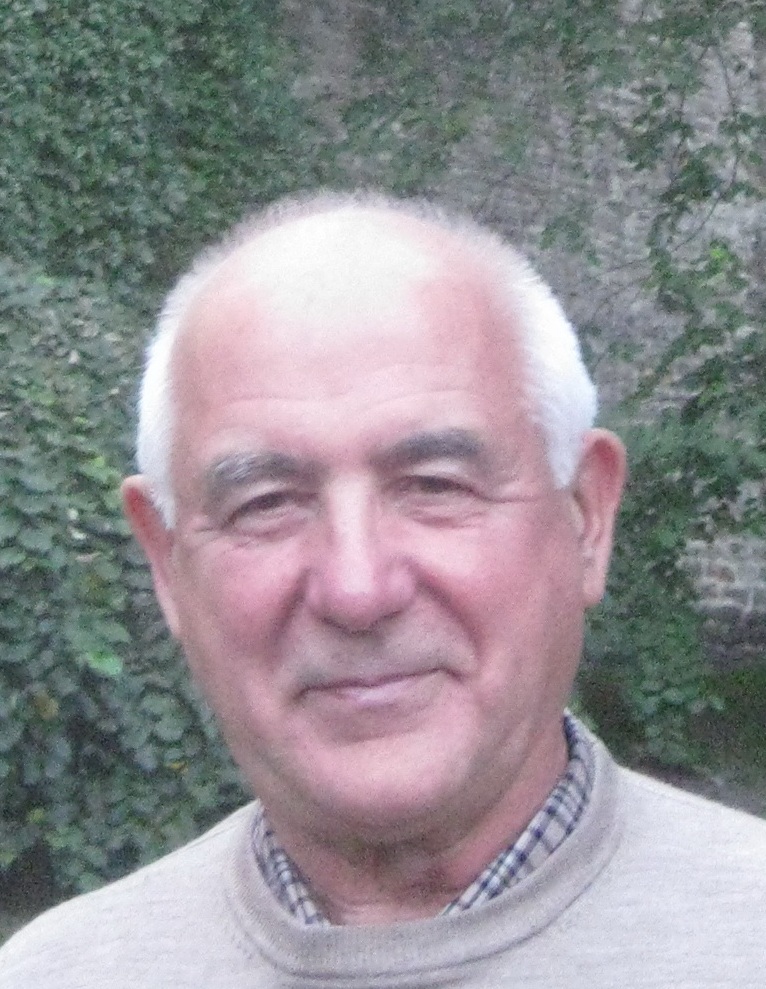
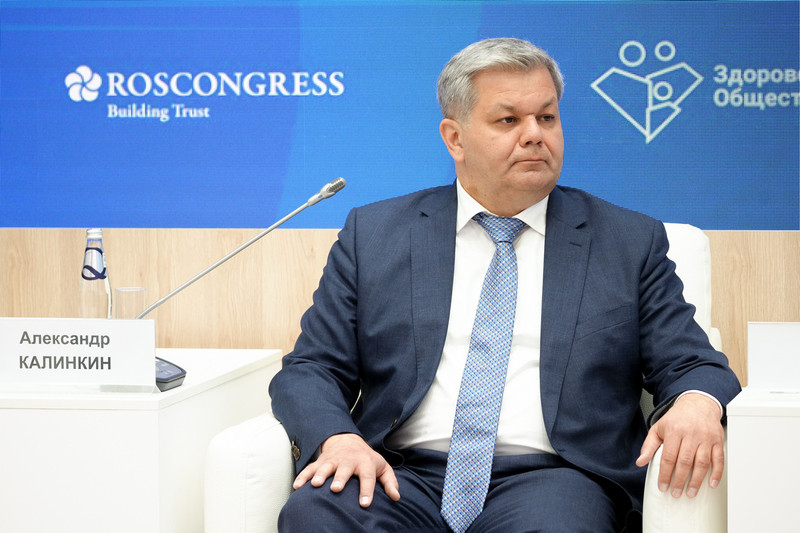



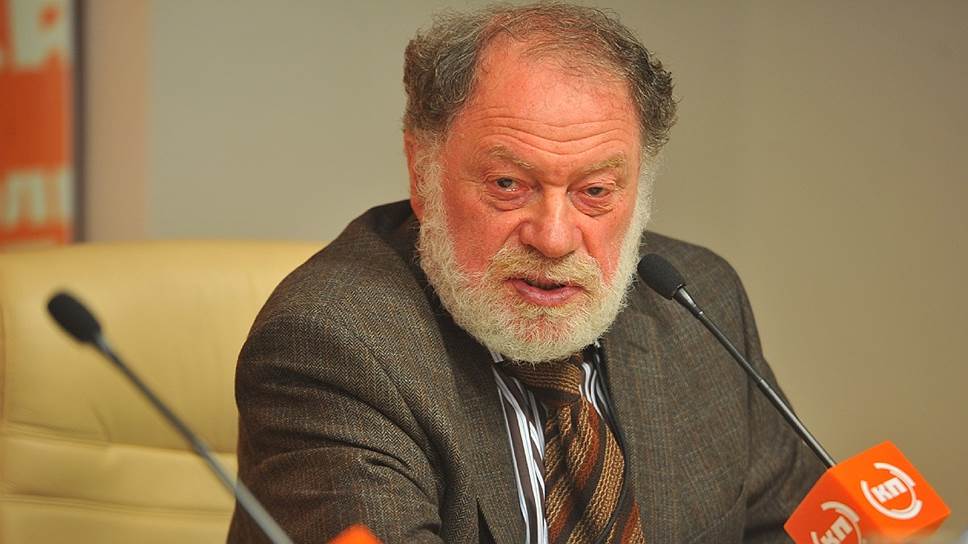
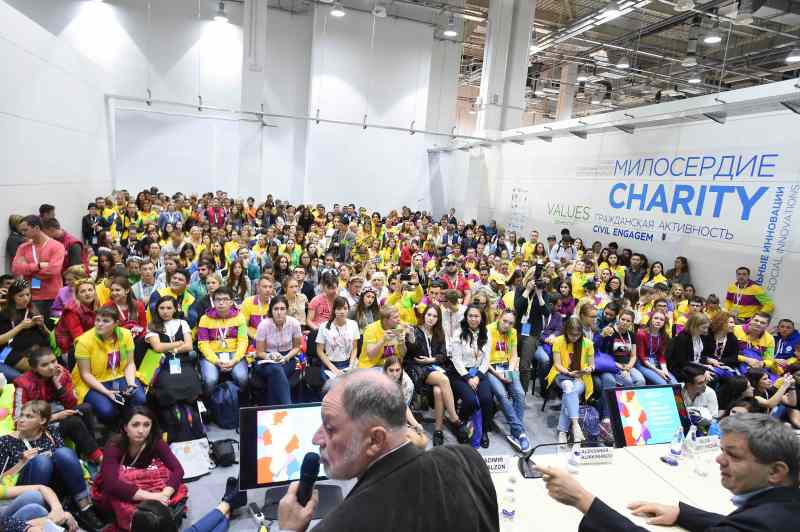 К.м.н. А.Л.Калинкин и д.б.н. В.М.Ковальзон приняли участие в качестве докладчиков на одном из мероприятий Всемирного фестиваля молодежи и студентов в Сочи 19 октября 2017 г. Аудитория была переполнена!